
Hope For My Kids

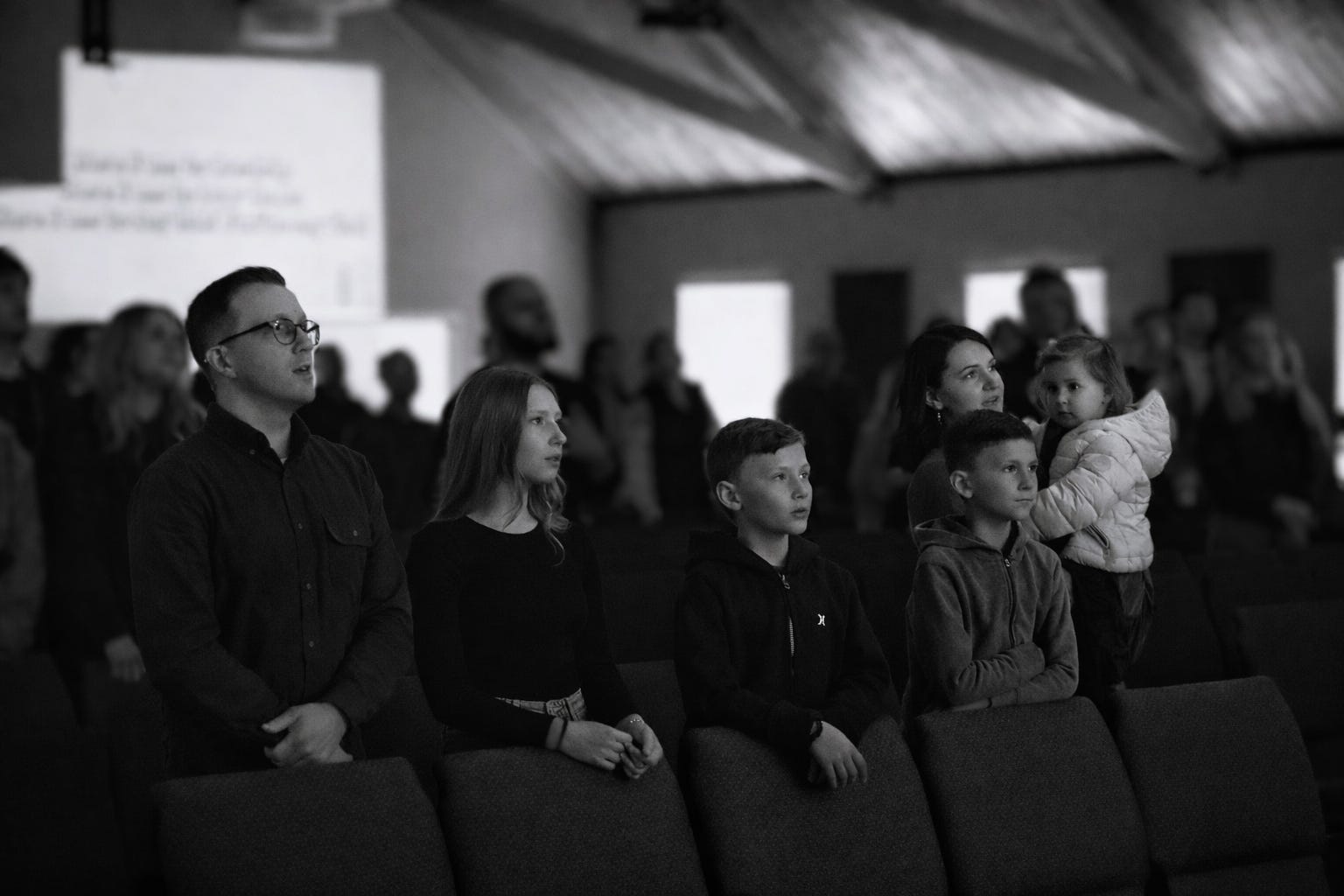
As a father, I find myself returning to a simple, deeply personal question: What do I hope my children carry with them into adulthood?
Every Sunday, our kids worship next to us House of the Gospel church. They sing, listen, serve, and run off to Sunday school (well, at least my boys do).
When we visit other churches, they complain, not because those churches are lacking, but because they don’t want to miss their church, their people, their community.
That is a gift I don’t take lightly.
I also hold that gift with an open hand. Life is not linear, and faith journeys are rarely predictable. My children may grow up and move away. They may be called to ministry somewhere else, to a different church, or somewhere across the world. They may stay rooted right where they are. I don’t get to script that future.
My deeper hope is not that they remain in one particular congregation or even one particular tradition. My hope is that they remember the POSTURE of the church that helped form them: a gospel-shaped community, rooted in conviction, heritage, and intentionally outward-facing in its mission.
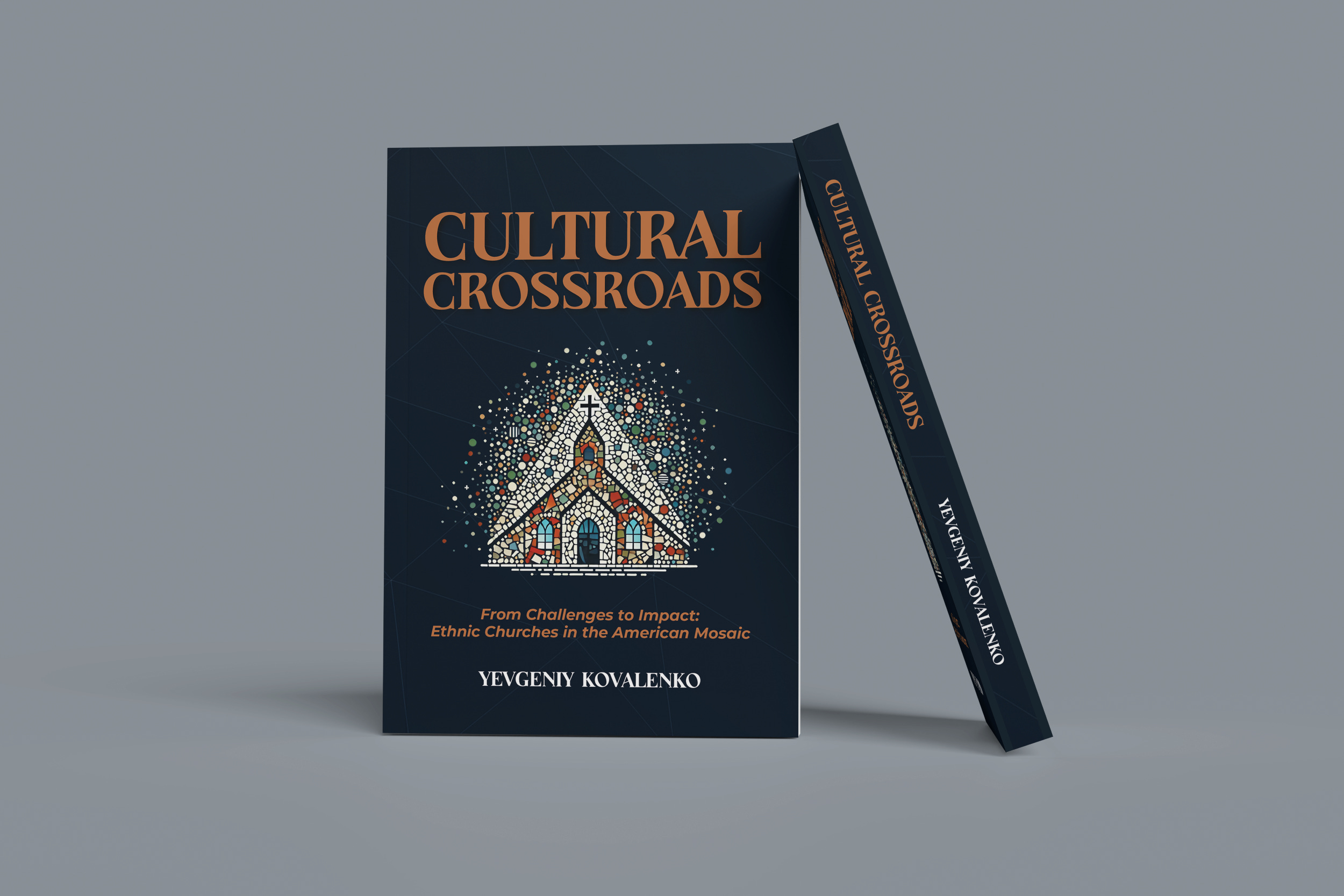
That hope - for posture over preference, integration over preservation, conviction over comfort - sits at the heart of Cultural Crossroads.
Cultural Crossroads is not a call to abandon heritage, nor is it an argument for chasing cultural relevance. It is an invitation to cultivate a faithful posture, the same posture I hope my children carry with them wherever God leads them—a posture rooted in Christ, confident in identity, generous across difference, and oriented toward God’s mission beyond itself.
Excerpt from Cultural Crossroads. Releasing in March 2026.
There’s something honest and steady in this reflection — especially the idea that what we ultimately hope to give our children is not control over where they end up, but a posture they carry with them wherever life leads. Faith that survives adulthood usually isn’t built on preference or familiarity, but on habits of worship, community, and trust learned quietly over time. That hope for formation rather than preservation resonates deeply, because in the end we’re all learning to receive faith as something lived into, not simply inherited. I’ve been writing about that same movement — how faith unfolds in time and is learned through presence rather than certainty — and if anyone would like to continue that reflection, you can read more here: https://theeternalnowmm.substack.com/p/eternal-love?r=71z4jh